
Basket
No products in the basket.


Rugby Mouthguards Buying Guide
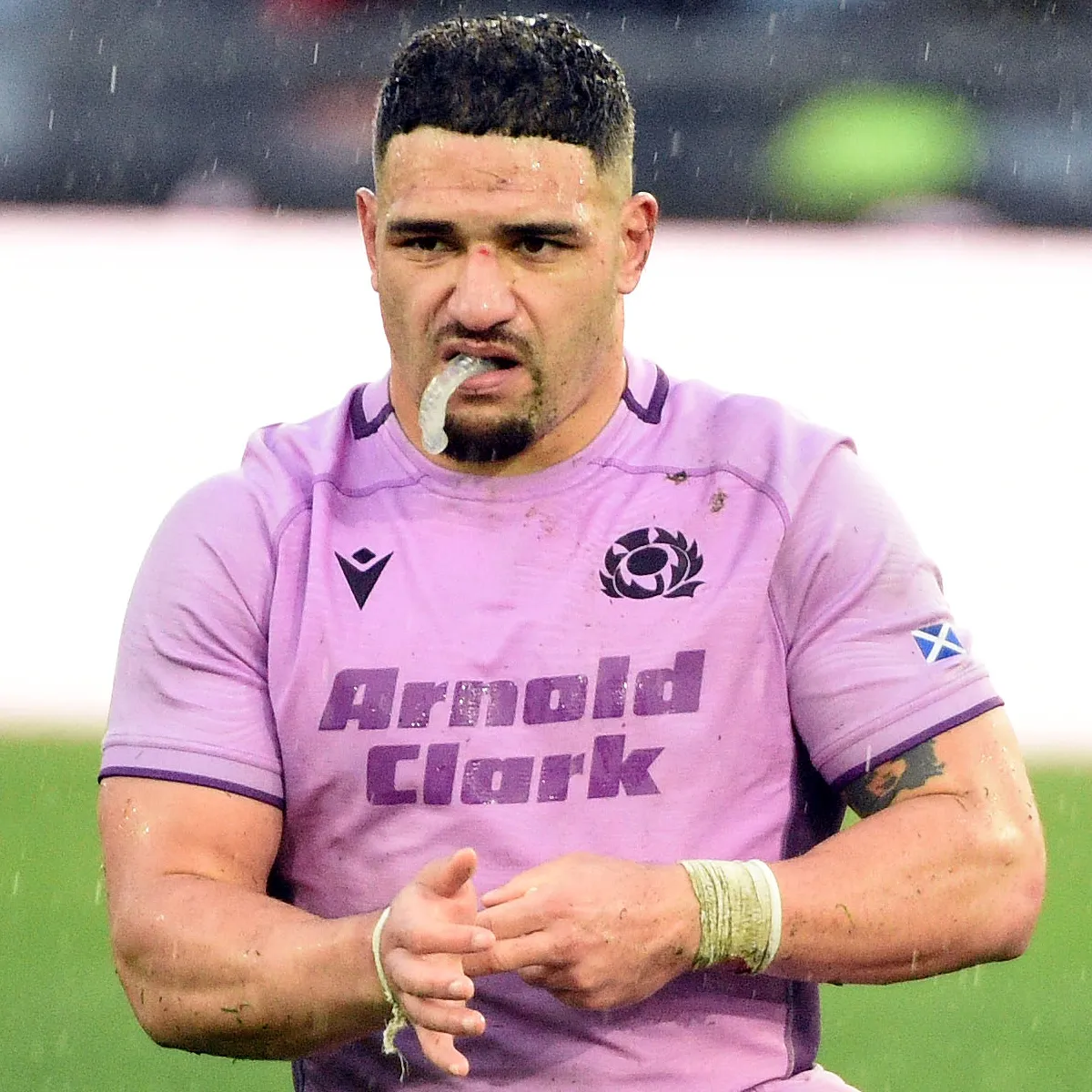
Rugby is a sport built on physicality, and with that comes a constant focus on protection. One of the most important pieces of protective equipment is the rugby mouthguard. Worn by players at every level, from youth rugby to elite internationals, mouthguards help protect the teeth, gums and mouth during tackles, collisions and contact.
But with so many different types and brands available, it can be difficult to know which mouthguard is right for you.
This guide breaks it all down: what mouthguards are designed to do, who should wear one, the different types available, and which brands offer the best options for rugby players.
Three well-known brands for rugby mouthguards are SAFEJAWZ, Optimum and OPRO, all three offering self-fit mouthguards that can be moulded at home.
SAFEJAWZ offers a range of rugby mouthguards engineered for high-impact contact sports, combining multi-layer shock-absorbing construction with an ergonomic fit. Its FluidFit™ material softens when heated to create a close, personalised fit, while RemodelTech™ allows the mouthguard to be remoulded multiple times if the initial fit isn’t right. SAFEJAWZ also incorporates JawSecure™ technology, designed to improve jaw stability during sideways impacts. The range includes Intro, Extro and premium Nitro models, with Junior and Senior sizes available.
OPRO specialises in rugby mouthguard technology, using multi-layer construction and advanced impact-absorption systems to help protect the teeth during contact. Its range includes Bronze, Silver, Gold and Instant Custom-Fit options, with progressively enhanced fit, retention and protection. OPRO is also the Official Mouthguard of England Rugby and Wales Rugby Union.
Why Do Rugby Players Need a Mouthguard?
Rugby involves frequent contact, so even a routine tackle can result in an accidental elbow, shoulder, head or knee making contact with the face.
A mouthguard creates a protective layer between the teeth and the surrounding structures. Its main purposes are to:
- Help protect teeth from impact.
- Help reduce the risk of chipped, fractured or knocked-out teeth.
- Protect the gums and soft tissues inside the mouth from cuts caused by the teeth.
- Provide a cushioning layer during collisions.
- Give players confidence when entering contact situations.
The most important consideration is fit. A mouthguard that is loose, uncomfortable or constantly needs to be held in place is less practical during a game. A properly fitted guard should stay securely over the teeth while allowing the player to concentrate on rugby.
Important: A mouthguard is primarily dental and oral protection. It should not be considered a guarantee against concussion or other head injuries. In addition, people with braces will need to look at specific mouthguards that will offer protection to both the top and bottom set of the teeth.

Three well-known brands for rugby mouthguards are SAFEJAWZ, Optimum and OPRO, all three offering self-fit mouthguards that can be moulded at home.
SAFEJAWZ offers a range of rugby mouthguards engineered for high-impact contact sports, combining multi-layer shock-absorbing construction with an ergonomic fit. Its FluidFit™ material softens when heated to create a close, personalised fit, while RemodelTech™ allows the mouthguard to be remoulded multiple times if the initial fit isn’t right. SAFEJAWZ also incorporates JawSecure™ technology, designed to improve jaw stability during sideways impacts. The range includes Intro, Extro and premium Nitro models, with Junior and Senior sizes available.
OPRO specialises in rugby mouthguard technology, using multi-layer construction and advanced impact-absorption systems to help protect the teeth during contact. Its range includes Bronze, Silver, Gold and Instant Custom-Fit options, with progressively enhanced fit, retention and protection. OPRO is also the Official Mouthguard of England Rugby and Wales Rugby Union.
Why Do Rugby Players Need a Mouthguard?
Rugby involves frequent contact, so even a routine tackle can result in an accidental elbow, shoulder, head or knee making contact with the face.
A mouthguard creates a protective layer between the teeth and the surrounding structures. Its main purposes are to:
- Help protect teeth from impact.
- Help reduce the risk of chipped, fractured or knocked-out teeth.
- Protect the gums and soft tissues inside the mouth from cuts caused by the teeth.
- Provide a cushioning layer during collisions.
- Give players confidence when entering contact situations.
The most important consideration is fit. A mouthguard that is loose, uncomfortable or constantly needs to be held in place is less practical during a game. A properly fitted guard should stay securely over the teeth while allowing the player to concentrate on rugby.
Important: A mouthguard is primarily dental and oral protection. It should not be considered a guarantee against concussion or other head injuries. In addition, people with braces will need to look at specific mouthguards that will offer protection to both the top and bottom set of the teeth.

How to Mould a Rugby Mouthguard at Home
Many modern rugby mouthguards are designed to be fitted at home using hot water. The heat softens the material, allowing it to mould around your teeth.
The exact process varies between brands and products, so always follow the instructions supplied with your particular mouthguard. The fitting times are not interchangeable between different products.
What You’ll Need
For a typical self-fit mouthguard, you will need:
- Your mouthguard.
- A bowl suitable for hot water.
- Freshly boiled water.
- A spoon for safely removing the mouthguard.
- A timer or stopwatch.
- Cold water.
- A mirror can also be useful.
General Home-Fitting Process
1. Prepare everything first
Have your hot water, cold water, timer and fitting equipment ready before you begin. Once the mouthguard has been heated, you need to work quickly and accurately.
2. Heat the mouthguard
Place the mouthguard in hot water for the exact amount of time specified by the manufacturer.
For example, OPRO currently specifies 20 seconds in freshly boiled water for its Gold, Silver and Bronze mouthguards.
SAFEJAWZ’s current self-fit instructions specify placing its Intro-Series, Extro-Series or Ortho-Series mouthguards into hot water for 30 seconds, with instructions to remove the guard earlier if it begins to shrink.
How to Mould a Rugby Mouthguard at Home
Many modern rugby mouthguards are designed to be fitted at home using hot water. The heat softens the material, allowing it to mould around your teeth.
The exact process varies between brands and products, so always follow the instructions supplied with your particular mouthguard. The fitting times are not interchangeable between different products.
What You’ll Need
For a typical self-fit mouthguard, you will need:
- Your mouthguard.
- A bowl suitable for hot water.
- Freshly boiled water.
- A spoon for safely removing the mouthguard.
- A timer or stopwatch.
- Cold water.
- A mirror can also be useful.
General Home-Fitting Process
1. Prepare everything first
Have your hot water, cold water, timer and fitting equipment ready before you begin. Once the mouthguard has been heated, you need to work quickly and accurately.
2. Heat the mouthguard
Place the mouthguard in hot water for the exact amount of time specified by the manufacturer.
For example, OPRO currently specifies 20 seconds in freshly boiled water for its Gold, Silver and Bronze mouthguards.
SAFEJAWZ’s current self-fit instructions specify placing its Intro-Series, Extro-Series or Ortho-Series mouthguards into hot water for 30 seconds, with instructions to remove the guard earlier if it begins to shrink.
3. Carefully remove the mouthguard
Use a spoon to remove the softened mouthguard from the water. Take care because both the water and mouthguard will be hot.
4. Position the mouthguard
This step differs by manufacturer — check your manufacturer’s system for instructions on this step. For example, OPRO Gold and Silver mouthguards use a compression cage, while Bronze uses a fitting handle.
Place the softened mouthguard centrally over your upper teeth.
5. Create the fit
Bite down according to the manufacturer’s instructions and use your fingers and lips, or the supplied fitting equipment, to mould the softened material around your teeth and gums.
The aim is to create a secure impression without biting through the mouthguard.
6. Set the mouthguard
Once the moulding process is complete, place the mouthguard into cold water as per your instructions. This helps the material set into its new shape.
7. Check the fit
Put the mouthguard back in your mouth and check that it feels secure and comfortable.
It should remain in position without you having to clench your teeth to keep it there.
If the fit isn’t right, some self-fit mouthguards can be remoulded. Both OPRO’s Bronze, Silver and Gold self-fit mouthguards and SAFEJAWZ’s self-fit range are designed to allow remoulding when the fitting instructions are followed.
Never guess the heating time. Overheating a mouthguard can damage the material or affect its ability to fit correctly.
If you are ever in doubt, check the instructions that come with the mouthguard.
3. Carefully remove the mouthguard
Use a spoon to remove the softened mouthguard from the water. Take care because both the water and mouthguard will be hot.
4. Position the mouthguard
This step differs by manufacturer — check your manufacturer’s system for instructions on this step. For example, OPRO Gold and Silver mouthguards use a compression cage, while Bronze uses a fitting handle.
Place the softened mouthguard centrally over your upper teeth.
5. Create the fit
Bite down according to the manufacturer’s instructions and use your fingers and lips, or the supplied fitting equipment, to mould the softened material around your teeth and gums.
The aim is to create a secure impression without biting through the mouthguard.
6. Set the mouthguard
Once the moulding process is complete, place the mouthguard into cold water as per your instructions. This helps the material set into its new shape.
7. Check the fit
Put the mouthguard back in your mouth and check that it feels secure and comfortable.
It should remain in position without you having to clench your teeth to keep it there.
If the fit isn’t right, some self-fit mouthguards can be remoulded. Both OPRO’s Bronze, Silver and Gold self-fit mouthguards and SAFEJAWZ’s self-fit range are designed to allow remoulding when the fitting instructions are followed.
Never guess the heating time. Overheating a mouthguard can damage the material or affect its ability to fit correctly.
If you are ever in doubt, check the instructions that come with the mouthguard.
Need help with anything else, then check out the Rugbystore Guides page for more guides to help your rugby queries.