


Rugby Headguards Buying Guide
Rugby is a sport built on physicality, and with that comes a constant focus on protection. One of the most recognisable pieces of kit on the pitch is the rugby headguard—often called a scrum cap. You’ll see them worn at every level of the game, from youth rugby to elite internationals, but there’s still plenty of confusion around what they actually do and whether they’re worth wearing.
This guide breaks it all down: what headguards are for, who should use them, and which brands dominate the market.
What Is a Rugby Headguard?
A rugby headguard is a soft, padded helmet made from lightweight foam panels. Unlike helmets used in sports like American football, they’re designed to be flexible and breathable, not rigid.
Their main job is simple: protect the surface of your head, not your brain.
They are particularly effective at preventing:
- Cauliflower ear
- Cuts and abrasions
- Minor impact damage
However, it’s important to be clear about their limits. Rugby headguards do not prevent concussions. Governing bodies like World Rugby regulate their design, including strict limits on padding thickness, to ensure they don’t create a false sense of security or increase dangerous play.
Why Do Players Wear Them?
Headguards are most commonly associated with forwards—and for good reason.
Forwards
Players in the front row and second row experience constant close-contact collisions in scrums, rucks, and mauls. This makes them especially vulnerable to ear injuries, which is why headguards are almost standard in these positions.
Backs
For backs, wearing a headguard is more of a personal choice. Some wear them for added confidence in contact, while others use them to protect previous injuries or simply for comfort.
Ultimately, wearing a headguard comes down to risk exposure and personal preference.
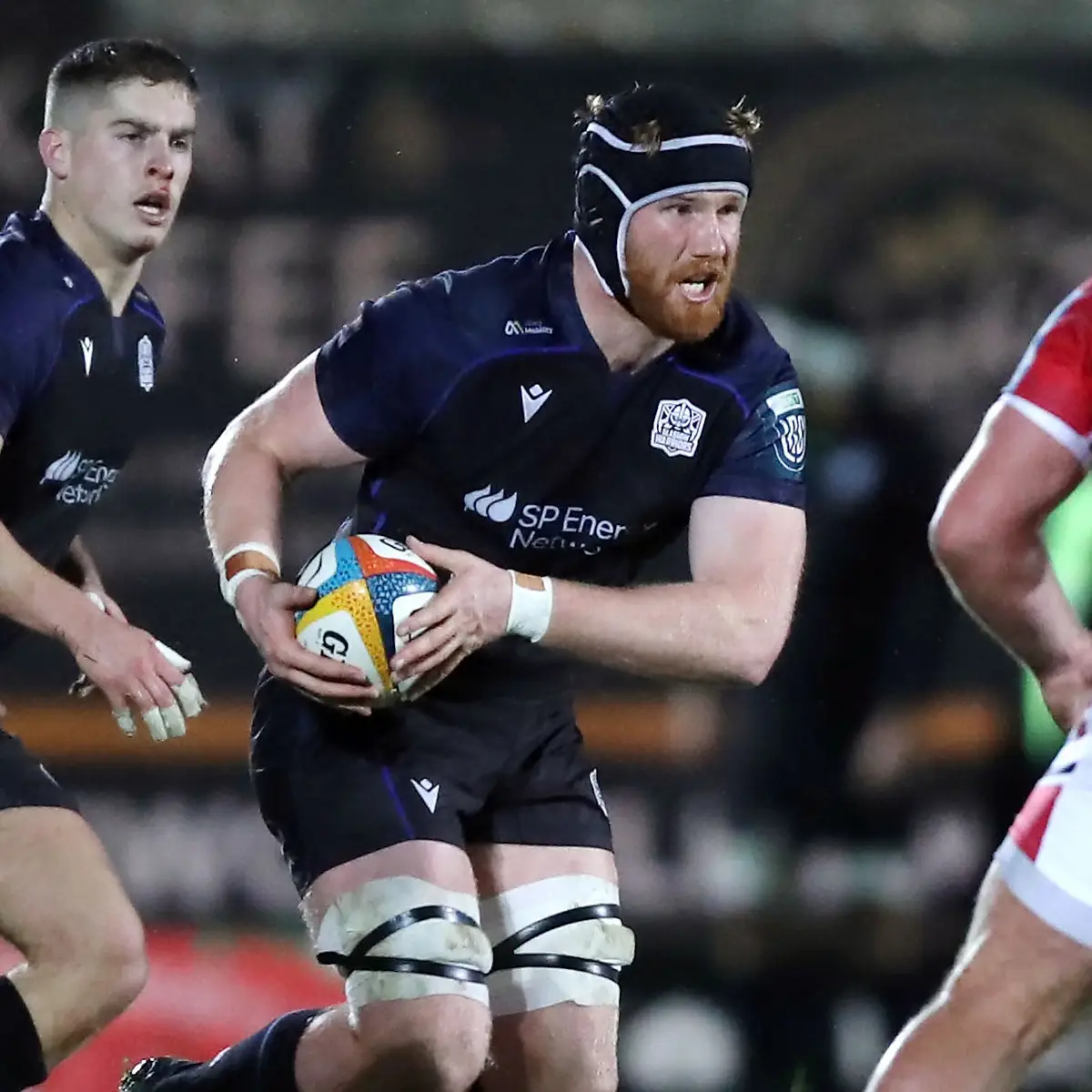
What Is a Rugby Headguard?
A rugby headguard is a soft, padded helmet made from lightweight foam panels. Unlike helmets used in sports like American football, they’re designed to be flexible and breathable, not rigid.
Their main job is simple: protect the surface of your head, not your brain.
They are particularly effective at preventing:
- Cauliflower ear
- Cuts and abrasions
- Minor impact damage
However, it’s important to be clear about their limits. Rugby headguards do not prevent concussions. Governing bodies like World Rugby regulate their design, including strict limits on padding thickness, to ensure they don’t create a false sense of security or increase dangerous play.
Why Do Players Wear Them?
Headguards are most commonly associated with forwards—and for good reason.
Forwards
Players in the front row and second row experience constant close-contact collisions in scrums, rucks, and mauls. This makes them especially vulnerable to ear injuries, which is why headguards are almost standard in these positions.
Backs
For backs, wearing a headguard is more of a personal choice. Some wear them for added confidence in contact, while others use them to protect previous injuries or simply for comfort.
Ultimately, wearing a headguard comes down to risk exposure and personal preference.

What to Look for in a Headguard
Choosing the right headguard isn’t just about brand—it’s about fit and function.
Fit is everything. A headguard should be snug and secure. If it shifts during play, it won’t provide proper protection.
Other key features include:
- Padding coverage: Especially around the ears
- Ventilation: Essential for comfort during long matches
- Adjustability: Lace-up backs and secure chin straps improve fit
- Approval: Always check it meets World Rugby standards for match play
Do Rugby Headguards Actually Work?
This is where expectations need to be realistic.
Headguards are highly effective at:
- Preventing cauliflower ear
- Reducing cuts and abrasions
- Minimising discomfort in repeated contact situations
But they are not designed to:
- Prevent concussions
- Eliminate impact forces to the brain
Because of this, not every professional player wears one. For many, the decision comes down to comfort and playing style rather than necessity.
What to Look for in a Headguard
Choosing the right headguard isn’t just about brand—it’s about fit and function.
Fit is everything. A headguard should be snug and secure. If it shifts during play, it won’t provide proper protection.
Other key features include:
- Padding coverage: Especially around the ears
- Ventilation: Essential for comfort during long matches
- Adjustability: Lace-up backs and secure chin straps improve fit
- Approval: Always check it meets World Rugby standards for match play
Do Rugby Headguards Actually Work?
This is where expectations need to be realistic.
Headguards are highly effective at:
- Preventing cauliflower ear
- Reducing cuts and abrasions
- Minimising discomfort in repeated contact situations
But they are not designed to:
- Prevent concussions
- Eliminate impact forces to the brain
Because of this, not every professional player wears one. For many, the decision comes down to comfort and playing style rather than necessity.
Brands
A handful of brands dominate the rugby headguard market, each offering slightly different strengths. Canterbury is a reliable, affordable choice popular at grassroots level, while Gilbert leans toward lightweight, performance-focused designs used by competitive players. Body Armour stands out for comfort and ventilation, particularly its Ventilator range. Other brands such as Optimum, and Oxen also offer solid alternatives, often focusing on style or budget-friendly options.
The Modern Trend
There’s been a gradual increase in headguard use across all positions, driven by greater awareness of player welfare. Brands are also experimenting with improved materials and designs, although all match-approved headguards must still comply with strict safety regulations.
Final Thoughts
Rugby headguards occupy an interesting space in the game. They’re not essential, and they won’t protect against everything—but they do serve a clear and valuable purpose.
If you’re regularly involved in heavy contact, especially as a forward, a headguard can be a smart addition to your kit. Just remember what it’s designed to do—and what it isn’t.
In rugby, as always, protection starts with technique, awareness, and respect for the game.

Brands
A handful of brands dominate the rugby headguard market, each offering slightly different strengths. Canterbury is a reliable, affordable choice popular at grassroots level, while Gilbert leans toward lightweight, performance-focused designs used by competitive players. Body Armour stands out for comfort and ventilation, particularly its Ventilator range. Other brands such as Optimum, and Oxen also offer solid alternatives, often focusing on style or budget-friendly options.
The Modern Trend
There’s been a gradual increase in headguard use across all positions, driven by greater awareness of player welfare. Brands are also experimenting with improved materials and designs, although all match-approved headguards must still comply with strict safety regulations.
Final Thoughts
Rugby headguards occupy an interesting space in the game. They’re not essential, and they won’t protect against everything—but they do serve a clear and valuable purpose.
If you’re regularly involved in heavy contact, especially as a forward, a headguard can be a smart addition to your kit. Just remember what it’s designed to do—and what it isn’t.
In rugby, as always, protection starts with technique, awareness, and respect for the game.
Need help with anything else, then check out the Rugbystore Guides page for more guides to help your rugby queries.